What To Expect During An Acupuncture Treatment
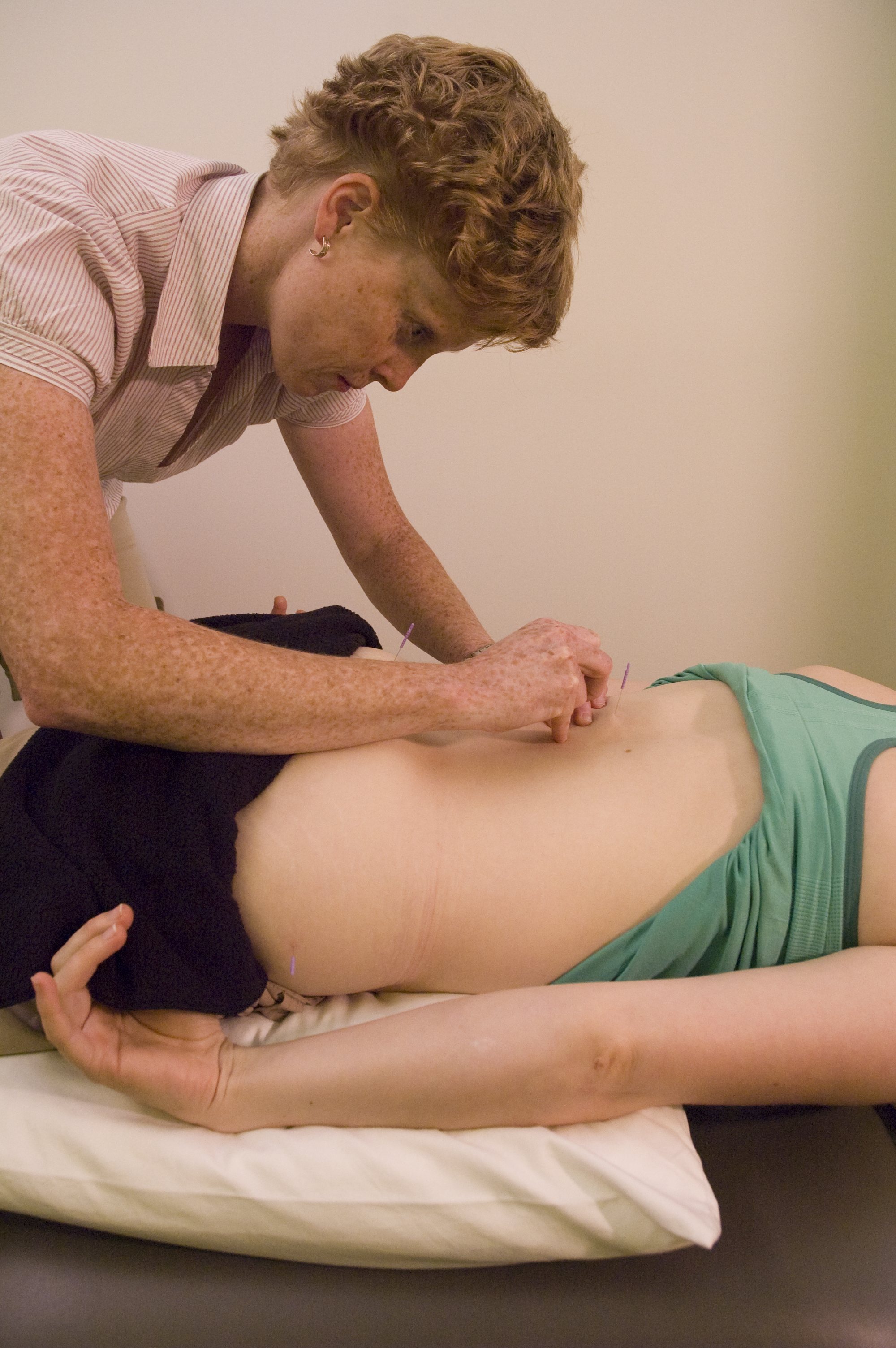
During the first assessment, we will ask you a series of questions to further understand your issues followed by a series of other physical tests. Our aim here is always to understand your situation as a whole so that we can provide you with the best possible medical acupuncture service here in Vancouver.
The number of treatments will vary with each individual and the condition being treated. Typically, the initial treatments will be close together, perhaps two or three in the first week. One to two treatments per week will likely be necessary after that. For more acute conditions, as little as one treatment may be sufficient.
Will acupuncture hurt? Potentially, as different people experience different sensations when their acupoints are stimulated. It can be difficult to provide a general answer for such a tailored treatment. However, most people tend to feel some pressure when the needles are first inserted, but it depends on what points are being worked on. The potential to feel soreness, heaviness, numbness and/or tingling is a factor to consider; it’s also worth noting that some patients will say they feel calm and relaxed.
To help you best prepare for medical acupuncture, here are some things to keep in mind prior and post-treatment:
- Avoid consumption of a large meal before treatment.
- Receiving treatment on an empty stomach should also be avoided.
- Avoid alcohol or sedatives for before treatment and avoid it for 2 hours post-treatment.
- Caffeine and cigarettes should also be avoided for about two hours following treatment.
- Avoid strenuous activity for 24-48 hours following treatment.
- Medicate only as directed by your physician.
- For more information, please visit the Acupuncture Foundation of Canada Institute.
Also, it’s important to note that each of our patients is examined on an individual basis by one of our acupuncture practitioners, which means that the exact placement of needles will vary for each patient and each acupuncture treatment.
Most Common Conditions We Treat With Medical Acupuncture
At Sitka Physio & Wellness, acupuncture is used within a physiotherapy treatment regimen and focuses on conditions that are musculoskeletal. We treat ailments to bones, joints, muscles, nerves, and various soft tissues. With that being said there is a long list of conditions that are successfully treated with medical acupuncture including:
- Whiplash
- Headaches
- Carpal Tunnel Syndrome
- Osteoarthritis
- Frozen Shoulder (Adhesive Capsulitis)
- Neck Pain
- Lower Back Pain
- Iliotibial Band Syndrome
- Tennis Elbow
- Achilles Tendonitis
- Plantar Fasciitis
- Sciatica
- Shin Splints (Tibial Stress Syndrome)
- Rotator Cuff Strain
- Impingement Syndrome
- Bursitis
- Torticollis
- DeQuervain’s Tenosynovitis
- Piriformis Syndrome
- TMJ Disorders
- Joint Sprains
- Muscle Strains
At Sitka Physio & Wellness, Medical Acupuncture is used in tandem with many other physio services. By choosing Sitka, you will have access to not just acupuncture, but a wide variety of physio and wellness services including, sports physio, kinesiology, manual therapy, IMS and many more.